Your eVisa May Not Work at Every Border: The Designated Entry Points Travellers Overlook
 Amina KhalidiNovember 23, 20263 min read
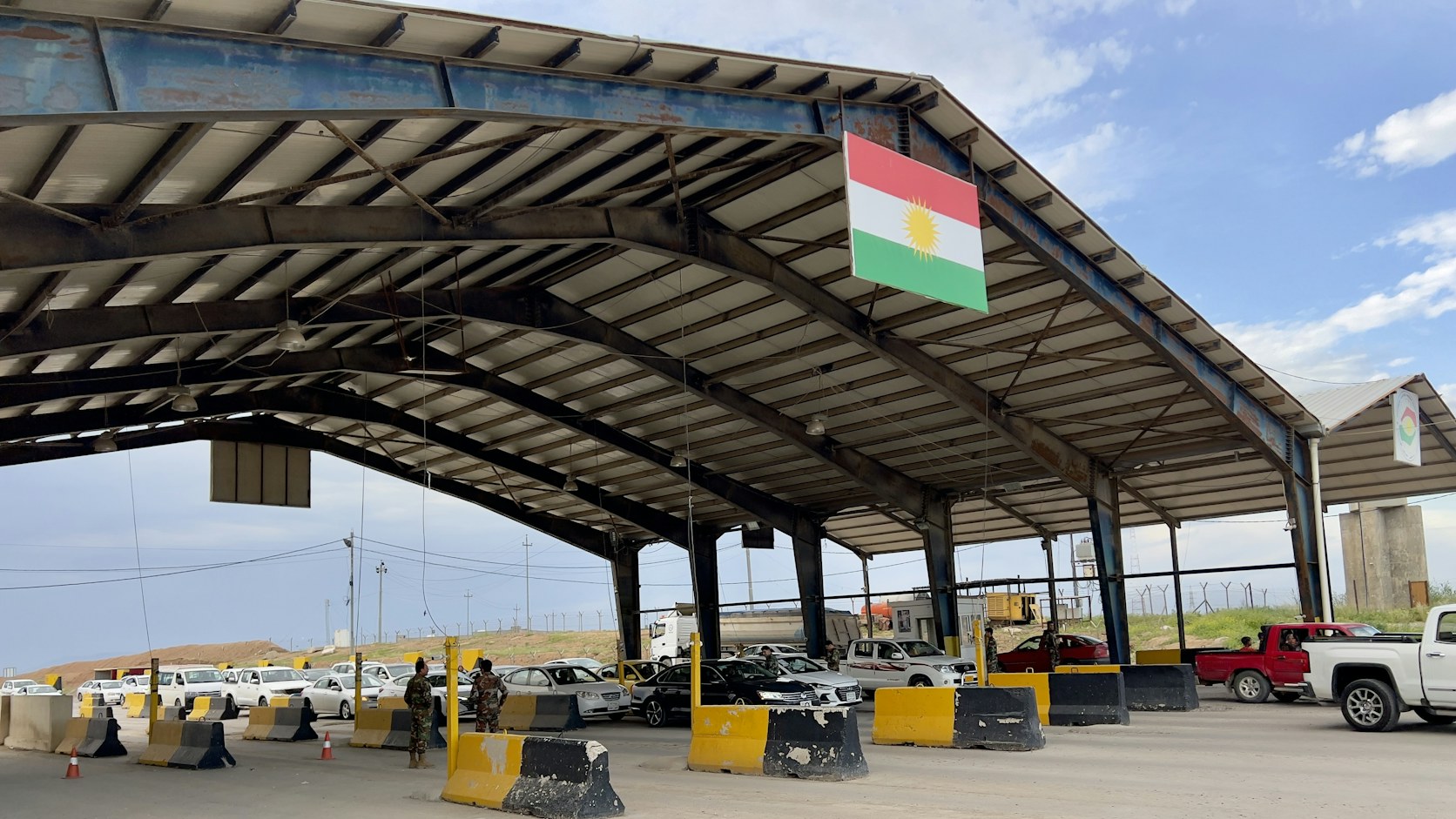
An electronic visa is usually thought of as a document for a country. In several countries it is also a document for particular border crossings. Arrive at a crossing that is not on the official list, and an eVisa that is perfectly valid may still not be accepted there.
Russia: a government list of checkpoints
Russia's unified electronic visa is valid for entry and exit only through the checkpoints named on a list approved by the Russian government and published by the Ministry of Foreign Affairs. The list has grown steadily and now runs to more than 100 airports, road crossings, railway stations, seaports and river ports. A government order signed on 23 June 2026 added Yakutsk International Airport and the Kani-Kurgan road crossing in the Amur region.
The list is long, but it is not every crossing, and transport companies can check whether a traveller holds a valid e-Visa through the Ministry's own verification service. A problem with your route can therefore surface before you depart.
Vietnam: designated border gates
Foreigners using a Vietnamese e-Visa must enter and exit through the international border gates designated by the government. For two years the list included 13 airports. In December 2025, Government Resolution 389/NQ-CP added 41 more airports, land crossings and seaports.
Two points matter. The e-Visa application asks for your intended entry and exit points. And overland travellers in particular should confirm that their crossing is on the list before they set off.
Ethiopia: one office for extensions
Ethiopia's tourist e-Visa is a 30-day, single-entry visa. Extensions of 30 or 90 days can be requested before it expires, but only in person at the Immigration and Citizenship Service head office in Addis Ababa. A traveller deep in the regions with a visa about to run out has a long journey to make.
United States: bonds and designated airports
Visitors from countries covered by the US visa bond programme, made permanent in August 2026, must enter and exit the United States through designated commercial airports. For them the visa is tied not only to the person but to the route.
Why this catches people out
Routes change. A cancelled flight, a cheaper connection or a decision to cross a land border mid-trip can move a traveller onto a crossing their document does not cover. Airlines verify documents before boarding, and a document that is valid in general but not for the arrival point is a reason to refuse carriage.
What to do
Before you finalise a route, check three things: that your arrival point is on the destination's list for your document, that your exit point is too, and that any overland crossing you plan is included. If the route changes after you apply, check again. Where an application asks for entry and exit points, give the ones you will actually use.
Verified against the Ministry of Foreign Affairs of the Russian Federation and the Government of the Russian Federation; the Government of Viet Nam (Resolution 389/NQ-CP, December 2025); UK FCDO travel advice for Ethiopia (updated 30 October 2026); and the US Department of State visa bond rule (Federal Register, 3 August 2026), checked 16 November 2026.