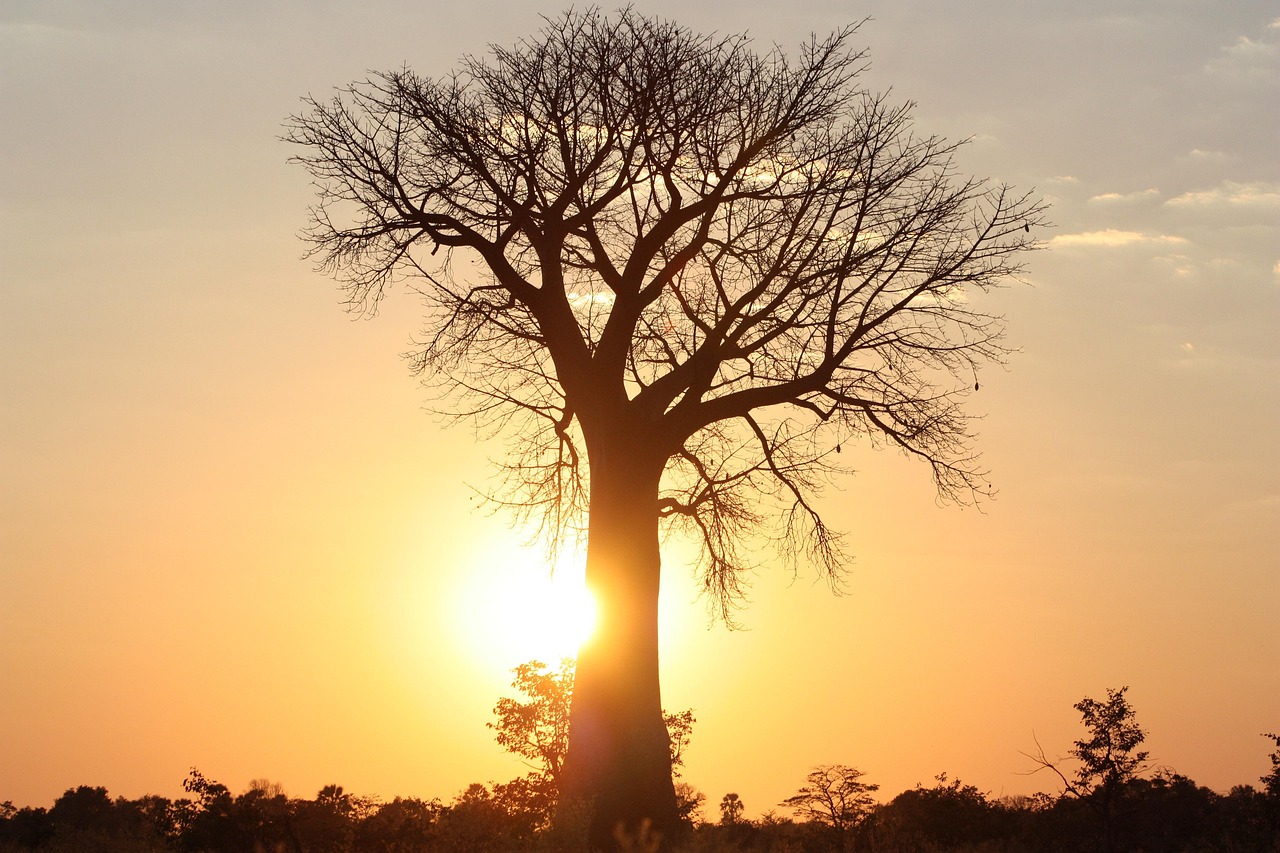
Maybe you’re scrolling through your phone at a late night and suddenly you see a picture of a giant baobab tree touching the sky, where the caption is “The tree of life”. You must get curious and whisper to yourself, “This is it. This is where I need to go.”
Yes, I’m talking about Madagascar. It isn’t just a regular destination like others. It’s an island that broke away from the rest of the world 160 million years ago and decided to write its own rules. This country is famous for its biodiversity, landscapes, and cultural richness. Here, 90% of the wildlife exists that you won’t find anywhere else on Earth.
Just a few years ago, visiting Madagascar meant long embassy lines, piles of paperwork, and waiting long for approval. But now, eVisa has made visiting easier than ever for global travellers.
No more visiting the embassy or complicated paperwork. Tourists can apply online and receive an approved eVisa directly by email, and it takes only a few working days.
In this guide, we’ll discuss everything you need to know about the Madagascar eVisa and help you get the idea of the requirements, validity, and what the best things to do once you arrive.
Why Choose the Madagascar eVisa?
The Madagascar eVisa is the official electronic visa issued by the government. It is a short-term visa designed for both tourists and business travellers.
The beauty of the eVisa lies in its simplicity. Everything happens online here. No embassy visits, no taking time off work to stand in queues, no awkward interviews at the last minute.
An eVisa in Madagascar allows a single entry and is válido durante 90 días from the date of issue. It offers flexible stay options ranging from 15 to 60 consecutive daysen función de sus planes de viaje.
You can choose between procesamiento estándar, which takes 4 to 6 working dayso premium processing if you need your visa approved within 1 to 3 working days. Once approved, it’s digitally linked to your passport and sent to you by email. You can simply show a printed copy or a downloaded copy during the immigration formalities.
With these benefits, you can save your valuable time and spend it on planning the upcoming adventure.
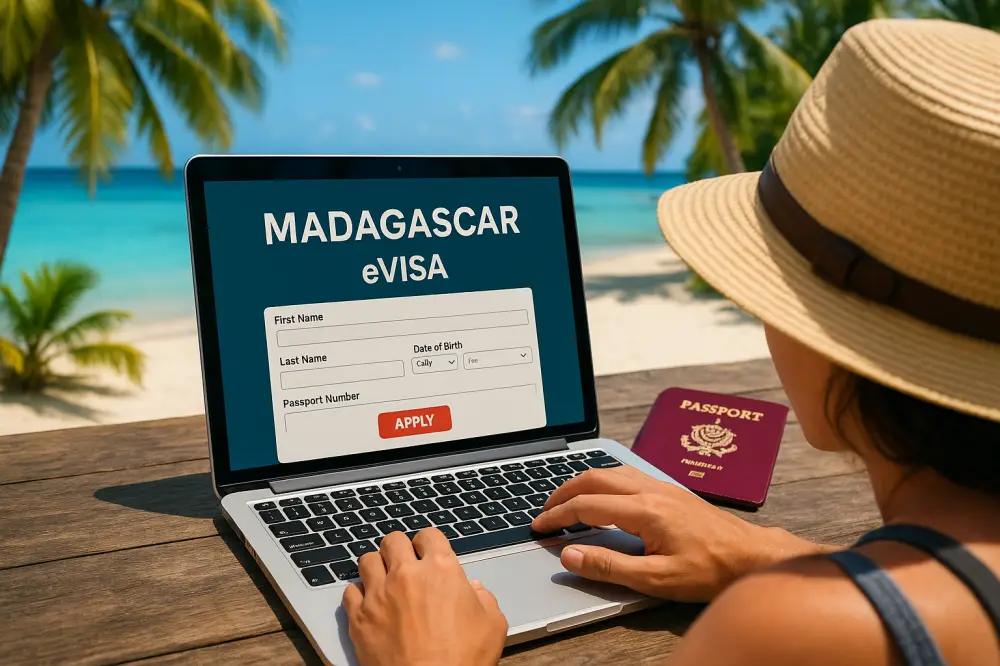
Madagascar eVisa Requirements
Applying for a Madagascar eVisa requires only a few essentials, most of which travellers already have at hand. Here’s what you’ll need to apply:
- A valid passport: Your passport needs to be valid for at least six (6) months from your intended arrival date in Madagascar. Make sure you have a digital copy saved on your device.
- A digital photo: You’ll need a recently captured passport-sized photo with your face clearly visible. The background colour of the photo should be white.
- Travel itinerary: You’ll need your travel itinerary. It may include flight bookings and accommodation details. Even a draft plan works fine here. The authorities simply want to understand the nature of your visit.
- Dirección de correo electrónico: An active email address is required since this is how you’ll receive your approved eVisa and important updates during the application process.
- A credit or debit card: You’ll need a valid credit or debit card ready for paying the visa fees. The system accepts both Visa and Mastercard to make the payment quick and secure.
Additional documents may be required based on your nationality and the purpose of your visit. But don’t worry, the system will guide you through any specific requirements when you select your country.
Consejo: Ensure that all uploaded documents are clear and accurate to avoid delays or rejections.
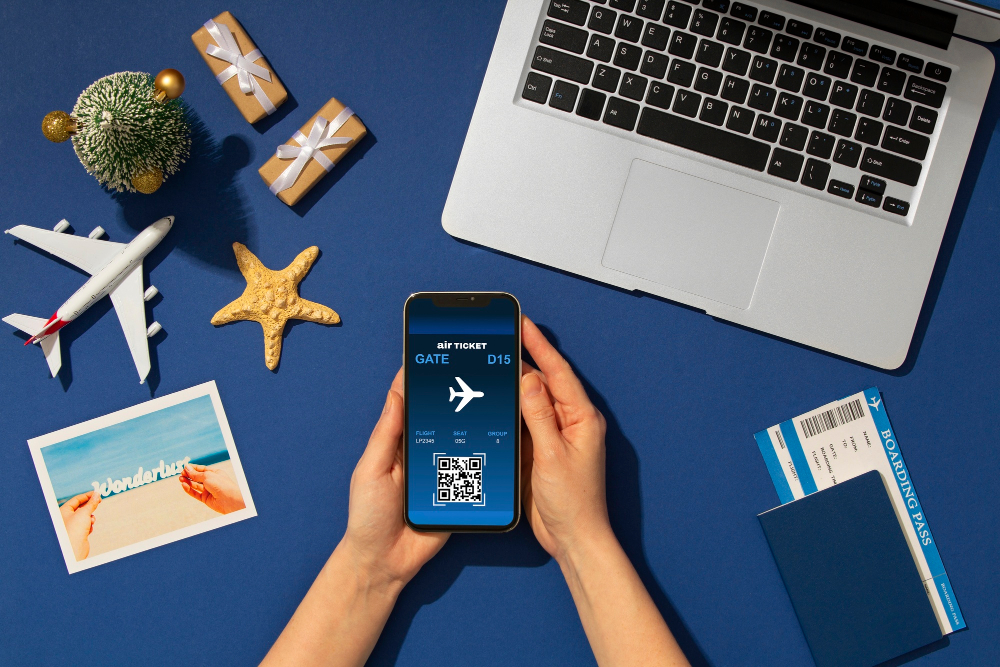
Application process Step by Step
Applying for your Madagascar eVisa is designed to be as smooth as possible. Here’s how it works in four simple steps:
Primer paso: Create an account on the Madagascar eVisa website or on the aplicación móvil, and choose your country from the extensive list of eligible nationals.
Segundo paso: Now, simply fill out the form with your personal information and travel details. Then upload the necessary documents, such as your passport scan and photo.
Tercer paso: Then comes the payment time. Proceed to pay the visa fee using your credit or debit card.
Paso 4: Finally, sit back and wait for approval. Applications are typically processed within one to six business days, depending on your selected plan. As soon as approval is granted, the eVisa will be sent to your inbox via email.
Visa Validity and Staying Rules
It’s always important to understand your visa’s validity and the rules to avoid any surprises at the border.
Your Madagascar eVisa is valid for 90 days from the date it’s issued, not from when you enter the country. This gives you a comfortable three-month window to finalize your travel plans and book your flights without feeling rushed.
When it comes to your actual stay in Madagascar, you have three options to choose from during the application process. Both the premium and standard plans will give you the option to stay for 15, 30, or 60 consecutive days. Choose based on how long you want to stay in this incredible country.
Remember, this is a single-entry visa only. Once you leave the country, you cannot use the same eVisa to re-enter, even if your stay period hasn’t expired. In case you need to return to the country, you’ll simply need to get a new eVisa.
Most importantly, respect your authorised stay period. Excederse de la estancia can result in fines, legal complications, or restrictions on future travel with the eVisa.
Entry requirements at the Border
When you arrive in Madagascar, border entry is hassle-free if you’re prepared. Here’s what immigration officials may ask you to see:
- Su pasaporte en vigor with 6 months’ validity left.
- Su approved eVisa, either printed or displayed on your device.
- Proof of a return flight ticket to show your departure plans.
- Accommodation details, such as a hotel booking or local address where you’re staying.
- Travel insurance is not mandatory, but it is highly recommended for medical and trip-related coverage.
What to Do in Madagascar
Madagascar offers an amazing mix of nature, culture, and adventure activities. Once your eVisa is approved, it’s time to plan your adventure.
Wildlife Wonders
This island is home to many species that exist nowhere else in the world. You’ll spot lemurs leaping through the forest. Chameleons display impossible colours, fossas prowl through the underbush, and hundreds of bird species fill the air with whistles that you’ve never heard before.

Beaches & Islands
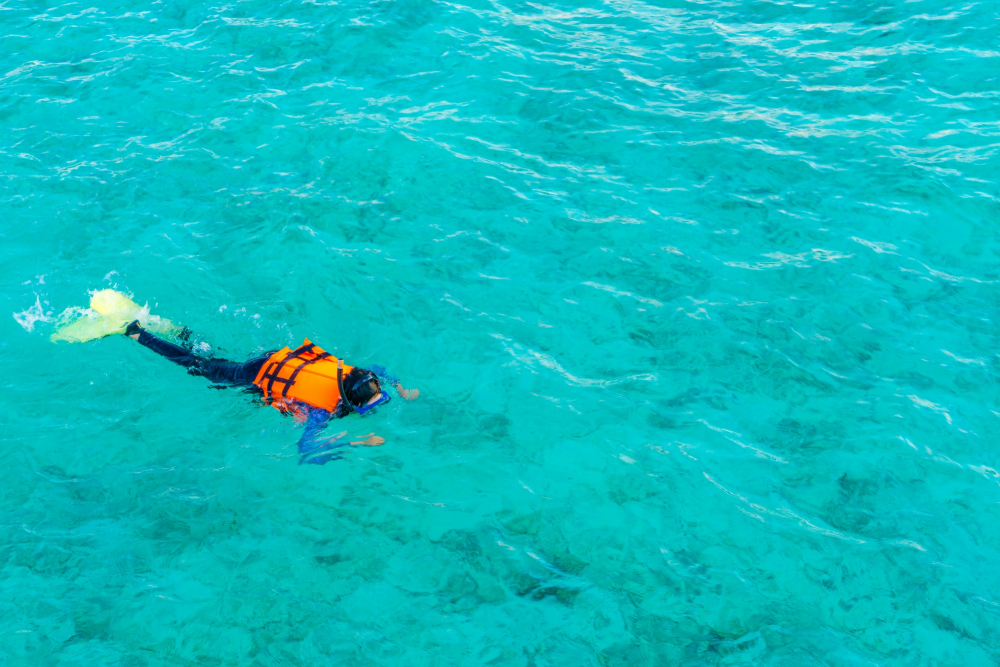
Head to Nosy Be, known for snorkelling, diving, and its laid-back island vibe. Here, you can swim in crystal clear waters with whale sharks, explore coral gardens, or simply relax on powdery sand beaches with the beautiful view of the Indian Ocean.
National Parks
Ranomafana’s rainforests are alive with the calls of golden bamboo lemurs and rare birds. On the other side, Isalo National Park presents a dramatic landscape of sandstone formations, natural swimming pools, and sunset views that will leave you speechless.
Iconic Landscapes
En Avenue of the Baobabs at sunset is perhaps the most photographed location on the island. These ancient trees are over 800 years old. Their sky-touching branches and thick trunk make them prehistoric and magical. Also, don’t forget to visit the Tsingy de Bemaraha. It’s a UNESCO World Heritage site of towering limestone formations.
Cultural Experiences
In the capital, Antananarivo, local markets introduce visitors to traditional crafts, vibrant textiles, and local delicacies. Taste of local cuisine like romazava (beef stew) and ravitoto (cassava leaves with pork). You’ll discover the blends of African, Asian, and French in ways you never expected.
Adventure Activities
Between July and September, humpback whales come close to shore. It can be a great opportunity to watch whales from close by. You can also try kite surfing along the southwest coast or trek across varied landscapes like rainforests o semi-deserts.
Travel Tips for Visitors
Madagascar’s incredible diversity requires some smart preparation. These tips will help you make the most of your island adventure:
- Best Time to Visit: Visit during the dry season from April to October for the best weather and wildlife viewing opportunities. The roads are more accessible, and lemurs are more active during these cooler, drier months.
- Currency: Carry cash (Madagascar Ariary) for rural areas, as ATMs can be limited in rural areas and card payments aren’t always accepted there.
- Packing: Pack light, breathable clothing for hot days. Don’t forget mosquito repellent, sunscreen, sturdy shoes, and a good hat. You can also bring cameras with extra batteries and memory cards.
- Getting Around: For long distances, consider domestic flights instead of read travel. Because Madagascar is larger than many people realize. Domestic flights can save you days of driving and challenging roads.
- Respect Nature and Culture: Madagascar’s unique ecosystem is fragile, and the Malagasy people have deep cultural traditions. Respect the eco-tourism principles and local rules. Travel responsibly, follow the park rules, and ask permission before photographing people.
Conclusión
You can find a few destinations, such as Madagascar. It’s a home ot unique wildlife, breathtaking landscapes, and vibrant traditions. The Madagascar eVisa makes visiting easier, faster, and stress-free. With just a few clicks, you can apply online and receive your travel permit directly in your inbox.
Skip embassy lines, avoid confusing paperwork, and let experts handle the process. Focus instead on exploring the spots like the Avenue of the Baobabs at sunset, wildlife, beaches, and the culture of Madagascar.