The US Visa Bond Programme Is Now Permanent: What Applicants From Listed Countries Face
 Luca BenedettiAugust 21, 20263 min read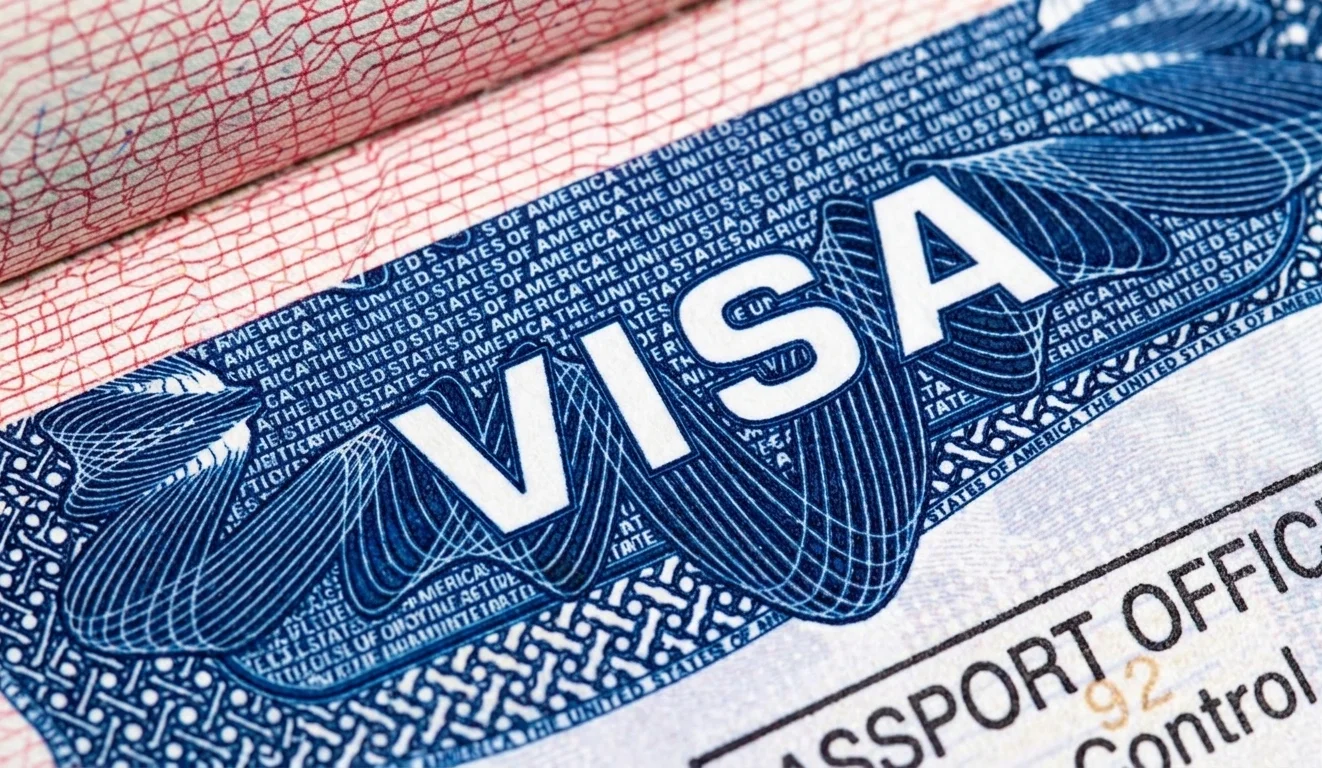
A pilot that ran for twelve months has become permanent policy. On 3 August 2026 the US Department of State published a rule in the Federal Register converting its visa bond programme from a temporary pilot into a standing part of the visitor visa process.
For travellers from the countries on the list, this changes the shape of a US visa application in a way that has no real precedent in recent years.
What a visa bond is
A visa bond is money posted in advance as security against a traveller complying with the terms of their visa: principally, leaving the United States when they are supposed to. It is refundable. It is not a fee, and it is not a payment to the government in the ordinary sense; it is a deposit that comes back if the conditions are met.
The bond is imposed at the discretion of the consular officer handling the case. It is not automatic for everyone from a listed country.
How the programme works
The programme applies to B-1 and B-2 applicants (business and tourist visitors) from roughly 50 countries identified as having high visa overstay rates.
Where a bond is required, it is set at one of three tiers, with the middle tier as the default. The officer can move up or down within those tiers based on the individual case.
The bond is posted through a US Treasury payment platform rather than paid at the embassy.
The airport restriction
This is the operational detail that causes the most disruption, and it is easy to miss.
Travellers who enter the United States on a bonded visa must both enter and depart through designated commercial airports. Not any airport: specific ones. That constrains routing, it constrains which airlines are usable, and it can make an otherwise sensible itinerary impossible.
Anyone planning a trip on a bonded visa needs to confirm the designated airport list before booking flights, not after.
Who is excluded
Countries in the Visa Waiver Program are excluded from the bond programme entirely. Their nationals travel on an electronic travel authorisation rather than a visitor visa, and the programme does not reach them.
The list can grow
The rule allows the Department to add countries to the list with 15 days' notice. That is a short window. A traveller who checked the position when they started planning a trip may find it has changed by the time they attend an interview.
This is the strongest argument for treating the country list as something to re-check close to your appointment rather than once at the start.
What to do if a bond is imposed on you
First, do not treat it as a refusal. A bond requirement means the officer is prepared to issue the visa, subject to security being posted. That is a different outcome from a denial.
Second, confirm the exact tier, the payment mechanism and the deadline in writing before you leave the consulate. The bond is posted through a specific platform and there is a process to follow.
Third, check the designated airport requirement before you book anything. This is the condition most likely to break an itinerary.
Fourth, understand the refund conditions precisely. The bond returns on compliance, which means departing within the authorised period. An overstay does not simply forfeit the money; it also carries the standard consequences for future US travel, which are separate and more serious than the loss of a deposit.
The broader signal
The pilot ran from August 2025 to August 2026. Making it permanent tells you the Department considers it effective and intends to keep using it. Applicants from listed countries should plan on this being a feature of US visitor visa applications indefinitely, not a temporary measure that will lapse.
Verified against the US Department of State rule published in the Federal Register on 3 August 2026.