The Document Checklist That Decides Whether You Board
 Omar Al-FarouqiSeptember 27, 20264 min read
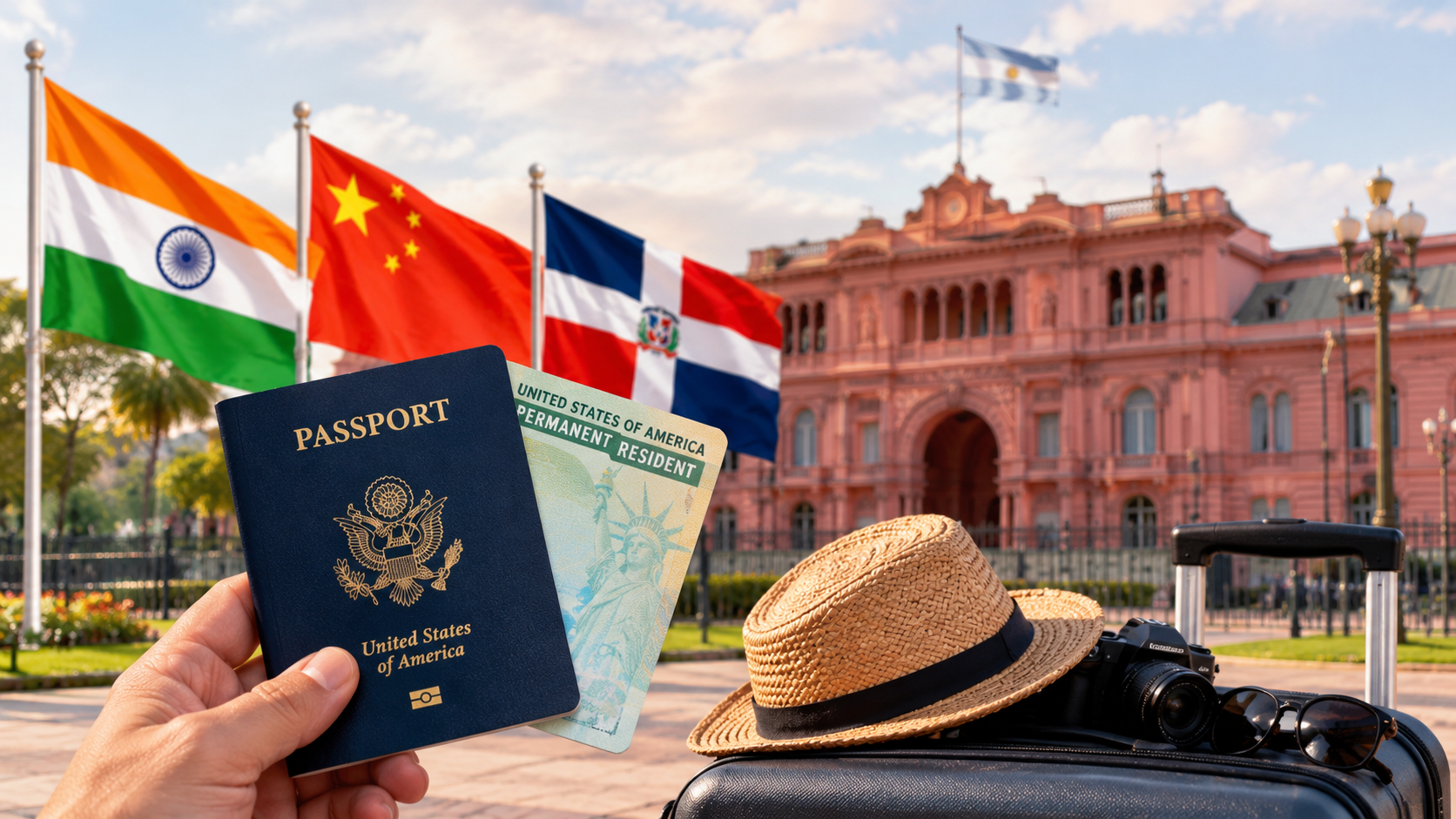
Almost every travel document failure happens in the same place: the check-in desk, before the flight, not the immigration hall at the other end. By the time you reach a border officer, the hard filter has already been applied.
This is the checklist that filter runs against. Work through it before you book, not before you fly.
1. Is your passport valid for long enough after you travel?
Not just valid on the day you fly. Many countries require validity extending beyond your departure date, commonly by six months, though the requirement is not universal and varies by destination.
US Customs and Border Protection maintains a published list of countries that are exempt from the six-month expectation, and updates it periodically. The most recent update was on 18 December 2025.
This is one of the most common causes of denied boarding worldwide, and it is entirely preventable at the planning stage.
2. Does your passport have enough blank pages?
Some countries specify a minimum. Thailand, for example, requires at least one blank page.
A passport that is technically valid but full is a passport that can be refused.
3. Is your entry permission linked to the passport you are actually carrying?
Electronic authorisations are tied to the passport they were issued against. Renew the passport and the link does not follow automatically to the new document.
This catches long-validity authorisations especially, because they routinely outlive the passport they were issued on.
4. Do the names match exactly?
The name on the ticket, the name on the authorisation and the name in the passport need to correspond. Middle names dropped from a booking, surnames in a different order, and transliteration differences are all real causes of refusal.
5. Have you checked your transit points, not just your destination?
Transit requirements are separate from entry requirements. A passenger holding perfect documentation for their destination can be refused because of a requirement at an intermediate airport they never intended to leave.
Anyone routing through a hub should check the transit rules for their nationality at that hub specifically.
6. Do you hold an onward or return ticket?
Several countries require one, and airlines check for it. This is a stated condition of entry in a number of places, not a suggestion, and travellers with open-ended plans are the ones it stops.
7. Have you completed any separate arrival declaration?
Several countries now require a digital arrival card before you land. It is a separate requirement from your visa or authorisation, and completing one does not satisfy the other. Thailand has required one for all foreign nationals entering by air, land or sea since 1 May 2025, and Malaysia operates an equivalent.
8. Does your permission actually cover your itinerary?
Count the entries. A double-entry authorisation permits exactly two. Count the days, including arrival and departure. Check the ports, because some permissions are valid only through named airports.
9. Does your purpose match the category you hold?
Permissions are issued for specified purposes. Work, study and journalism generally sit outside tourist categories, and the mismatch is assessed at the border rather than forgiven there.
10. Is your supporting evidence with you, not filed at home?
Accommodation, onward travel, means of support and a coherent account of the trip. Border officers can ask, and the traveller who can produce evidence in thirty seconds has a different conversation from the one who cannot.
The one thing none of this guarantees
No document guarantees entry. Every visa, every electronic authorisation and every visa-free arrangement permits you to travel to a border and be assessed. The officer at that border makes the decision.
That is why the preparation carries the weight. The checks above are the ones you can still influence. Once you are at the desk, you cannot.
Why airlines apply this filter at all
Because they carry the liability. If a carrier flies a passenger to a country that refuses them on document grounds, the airline is generally responsible for returning them and can face penalties from the destination government.
They check against a shared industry database that verifies passport, visa and health document requirements for roughly 700 million passengers a year, fed by more than 2,000 government and airline contributors and updated around 70 times a day.
That last figure is the real lesson in this checklist. Entry requirements change daily, worldwide. A check you did when you booked is not a check that still holds when you fly.
Verified against US Customs and Border Protection publications, IATA published information on airline document verification, and official entry requirement guidance for the destinations named.