Airside Transit: The Requirement Travellers Meet at Check-In, Not the Border
 Omar Al-FarouqiNovember 11, 20263 min read
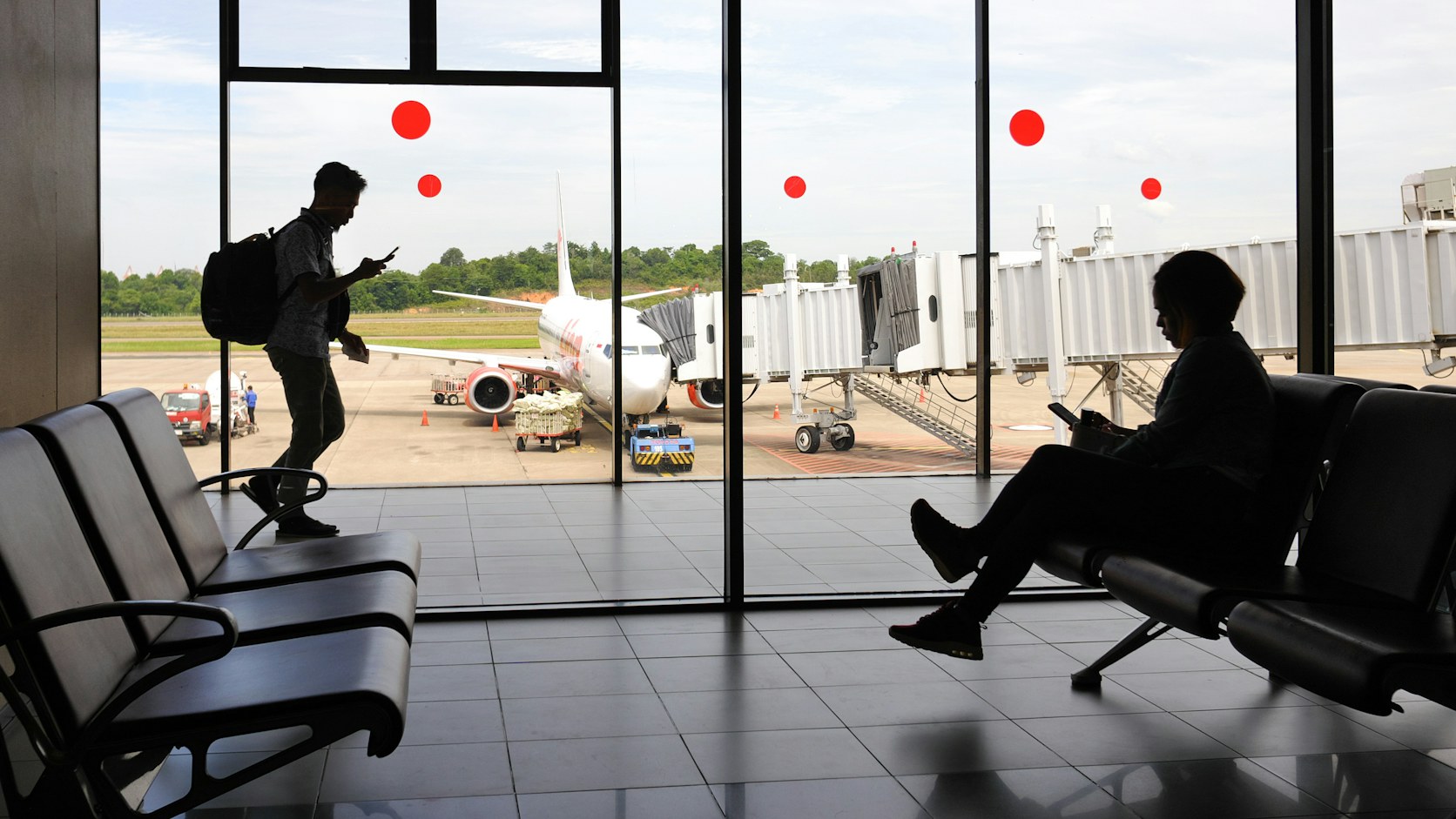
Many travellers assume that if they never leave the airport, the country they are connecting through does not care who they are. For some of the world's busiest connecting points, that is wrong. Transit has its own rules, separate from entry, and the airline checks them before the first flight departs.
Transit is assessed separately from entry
A traveller's documents are checked against every country on the route, not only the final destination. A passenger flying from Mumbai to Mexico City via Toronto is checked against Canada's transit rules as well as Mexico's entry rules.
If the transit check fails, the passenger does not board in Mumbai. Nobody in Canada or Mexico is ever involved.
The United States: there is no airside
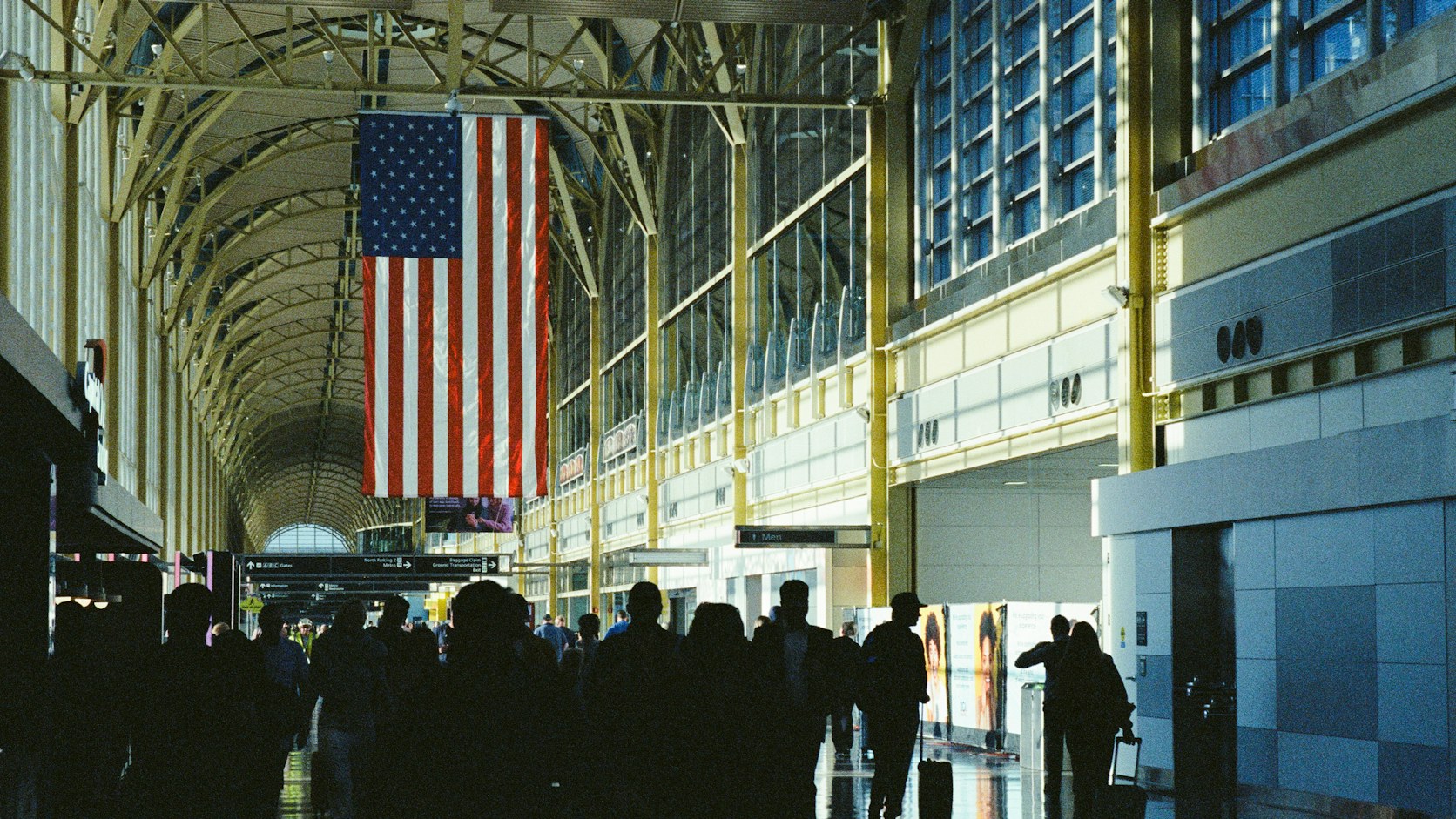
US airports do not have international transit areas where passengers can connect without entering the country. Every international passenger passes through US immigration, even when connecting to another international flight.
The consequence is stated plainly by US Customs and Border Protection: travellers from Visa Waiver Program countries need either an ESTA or a visa to transit the United States. Travellers from other countries need a visa.
A passenger flying from London to Mexico City via Houston needs US authorisation for a connection that may last two hours.
Canada: the eTA applies in transit
Canada requires an electronic travel authorisation from nationals of eTA-required countries who transit through a Canadian airport by air. It is the same eTA that would be needed for a visit.
Travellers who need a visa for Canada may need a transit visa instead, and a limited number of nationalities can transit without one if they meet specific conditions.
Time limits on airside transit
Where airside transit does exist, it can be limited. At Hamad International in Doha, passengers cannot remain in the transit area for more than 24 hours between flights, even with a booking at the airport's transit hotel.
Transit visas
Some countries require certain nationalities to hold a transit visa even to connect airside. The requirement depends on the passport, the airport and sometimes the onward destination, and it can change.
Why travellers get caught
Itineraries are often built by price. A cheap fare to South America routes through the United States; a cheap fare to the Caribbean routes through Canada. The traveller sees a connection; the airline sees a country with entry requirements.
Separate tickets add risk. A passenger who books two flights independently and has to collect bags and check in again is, by definition, leaving the transit area.
Changes add risk too. A rebooking after a cancellation can move a connection to a different country with different rules.
How the airline knows
Airlines check passenger documents against a shared industry database of entry and transit requirements, updated continually as countries change their rules. A requirement the traveller has never heard of is already in the airline's system.
What to do
List every country on your route where the plane lands, not only your destination.
For each one, check whether your nationality needs a visa or authorisation to transit. If the route goes through the United States or Canada, assume it does unless you are a national of those countries or otherwise confirmed exempt.
Arrange transit authorisations before you fly, on the passport you will travel with, and check again if your route changes.
Verified against US Customs and Border Protection, Immigration, Refugees and Citizenship Canada and UK FCDO Qatar entry requirements, checked 1 October 2026.