The System That Decides If You Board: How Airlines Check Your Visa at Check-In
 Elena DarziSeptember 9, 20264 min read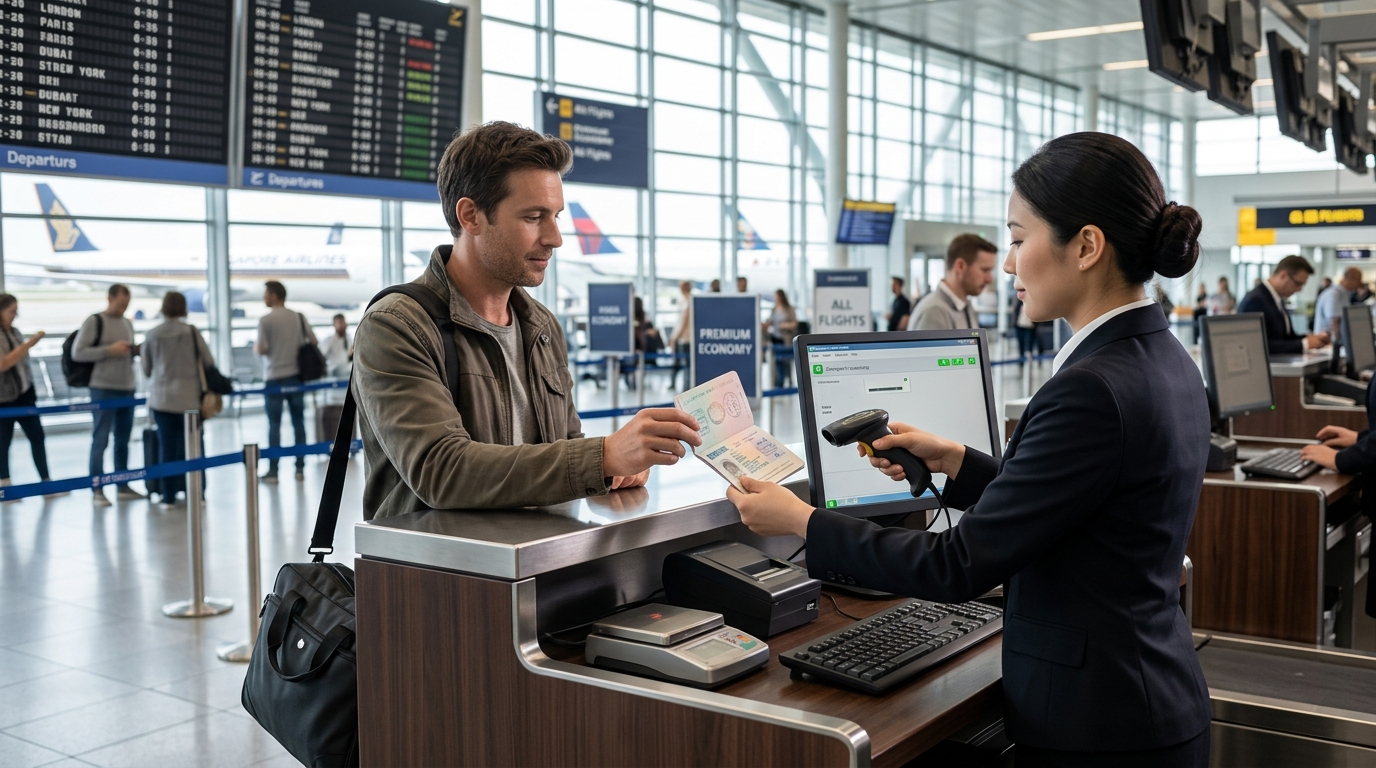
Most travellers assume the decision about whether their documents are in order is made by an immigration officer at their destination. For a large share of denied-boarding cases, that is wrong. The decision was made at check-in, by a database.
The system
The airline industry runs a shared reference database of travel document requirements, operated by IATA and known as Timatic. It verifies passport, visa and health document requirements for roughly 700 million passengers a year.
When a check-in agent scans your passport, the system returns an answer about whether the airline may carry you to your destination given your nationality, your document, your route and your purpose.
Why the airline cares
Airlines carry the liability. If a carrier flies a passenger to a country that refuses them entry on document grounds, the airline is generally responsible for returning them and can face penalties from the destination government.
That is why an airline will refuse to board a passenger it believes will be turned away. It is not being cautious on your behalf. It is managing its own exposure.
Where the data comes from
More than 2,000 government and airline contributors feed the database worldwide. It is updated roughly 70 times a day, and handles up to 200 rule changes per day.
Those numbers explain something important about visa news. Entry rules change constantly: not annually, but daily, across the world. The database exists because no airline could track that manually.
Who uses it
Carriers including Lufthansa Group, Delta, Emirates, United and Turkish Airlines rely on it to authorise check-in. It is not a niche tool; it is the backbone of document verification across much of commercial aviation.
Why you can be refused with a valid document
Several reasons, and they are worth understanding because each has a different remedy.
Your document may be valid but insufficient for the route. Transit rules differ from entry rules, and a passenger with a valid destination visa can still be blocked because of a requirement at an intermediate airport.
Your passport validity may fall short. Many countries require validity beyond the date of departure, and this is one of the most common causes of denied boarding worldwide.
Your authorisation may exist but not be linked correctly to the passport being presented: a frequent problem where a traveller has renewed a passport since obtaining an electronic authorisation.
Or the rule may genuinely have changed since you booked, given the volume of daily updates.
What if the airline's information is wrong?
It happens, and it is worth knowing what to do.
Ask the agent to state specifically which requirement you fail. A vague refusal is much harder to challenge than a specific one.
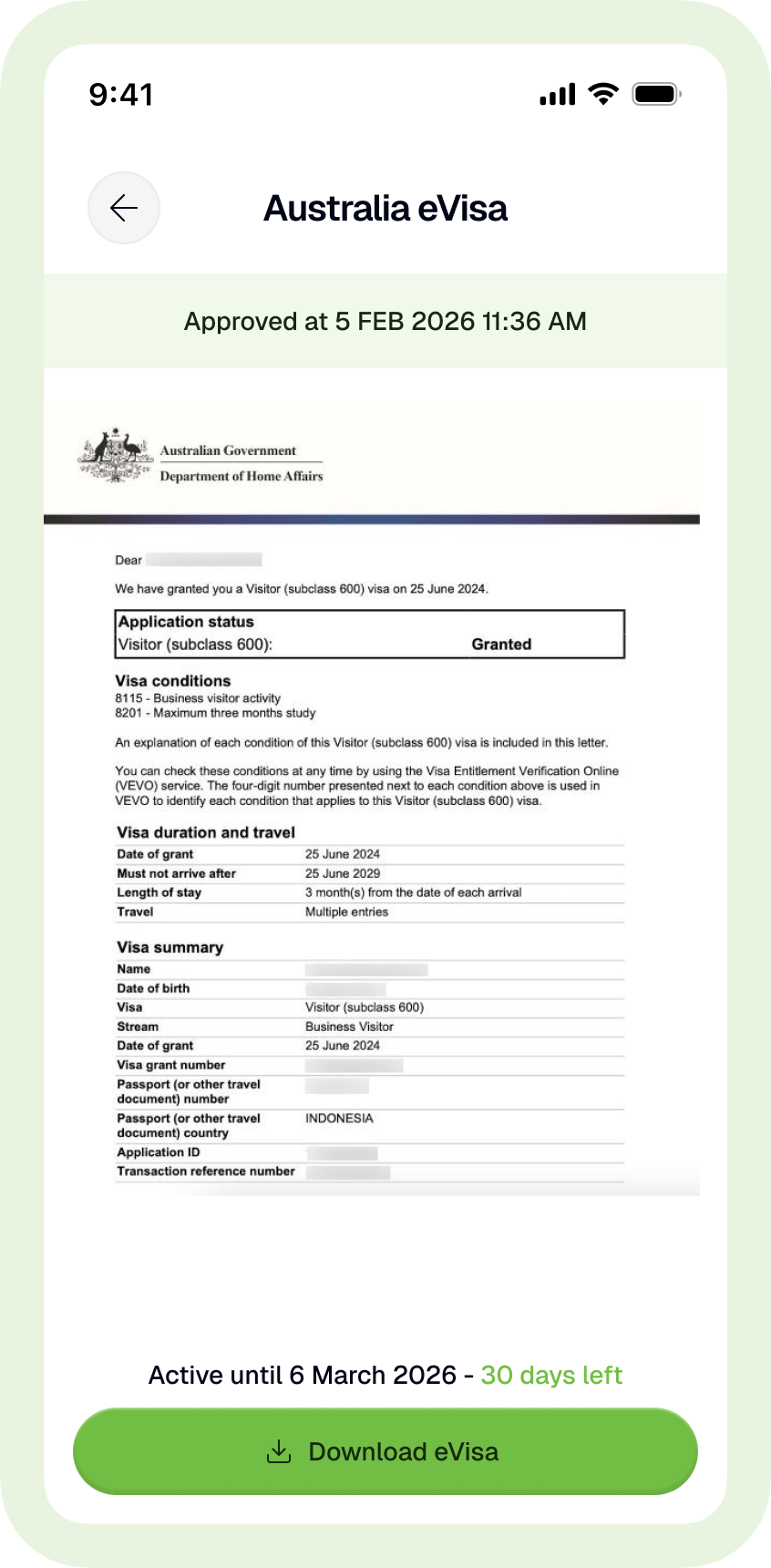
Produce documentary evidence (the approval notice, the reference number, the official confirmation) rather than arguing from what you believe the rule to be.
Ask for a supervisor. Front-line agents work to the system output; supervisors have more discretion to review evidence.
Be realistic about the limits. Nobody can override a carrier's decision from outside the airport, and any service claiming it can is misrepresenting what is possible. What genuinely helps is arriving with documents that are correct, correctly linked and demonstrably valid.
The industry context
The infrastructure behind these checks is currently a live policy argument. On 30 July 2026, IATA, the African Airlines Association and the Airlines Association of Southern Africa jointly urged African governments to implement Advance Passenger Information and Passenger Name Record systems aligned with ICAO standards and World Customs Organization guidelines, and to fund those systems directly rather than passing the costs to airlines and passengers, which the associations argue raises fares and undermines connectivity.
API and PNR are the mechanisms that feed passenger data to governments before arrival. They are the same machinery that produces the check-in decision, and who pays for them is now an open question.
The practical conclusion
Document errors are caught at the airport, not at the border. By the time you reach immigration at your destination, the hard filter has already been applied.
That is why the value of getting an application right sits entirely in the preparation, and why a problem discovered at the check-in desk is almost always a problem that could only have been solved weeks earlier.
Verified against IATA published information on Timatic and the IATA press release of 30 July 2026.