Your Passport on Your Phone: Where Digital Travel Credentials Stand in 2026
 Jackson ReedNovember 9, 20263 min read

Airlines and governments have spent years talking about travel without a physical passport. In 2026 the idea moved closer to practice: trials showed that a digital version of a passport can be shared securely before a flight and used from check-in to boarding. It is not here yet, and it will not do everything people assume.
What a Digital Travel Credential is
A Digital Travel Credential is a digital representation of a traveller's passport, defined by the International Civil Aviation Organization, the UN body that sets standards for passports.
It is created from the chip in an existing passport, or issued directly by a government, and stored in a digital wallet on a phone. It carries the same identity data as the passport, cryptographically signed so that airlines and border authorities can trust it.
What the trials showed
In April 2026, IATA, the airline industry body, published the results of proofs of concept run with Japan Airlines in Tokyo, Air New Zealand in Auckland and IndiGo in Bengaluru, with participation from Hong Kong and a European airport.
The trials used a range of wallets, including Apple's and Google's digital identity features, India's Digi Yatra, and wallets built by Air New Zealand, NEC and SITA.
The point being tested was interoperability: whether a credential held in one wallet could be read by different airlines, at different airports, in different countries. It could. Passengers shared their identity data ahead of travel and moved through the airport using biometrics rather than repeatedly presenting a passport.
Japan Airlines separately ran a trial covering a full journey from Tokyo to London via Hong Kong, working with British Airways and the airports involved.
What has to happen next
Governments. IATA's own conclusion was that the technology is ready and that governments now need to build the frameworks to issue and accept Digital Travel Credentials at scale.
ICAO's facilitation panel, meeting in April 2026, considered proposals for the first formal standards: a definition of the credential, a requirement that issuing states follow the existing passport specifications, and a requirement that border authorities be able to verify credentials. Those proposals have not yet been confirmed as adopted standards.
Until a country issues credentials and its border authority accepts them, a traveller cannot rely on one.
What it will change
How identity is checked. Fewer document checks at the airport, more processing before arrival, and biometric gates in place of desks.
When problems surface. If identity data is shared before travel, a mismatch is found days ahead rather than at the check-in desk.
What it will not change
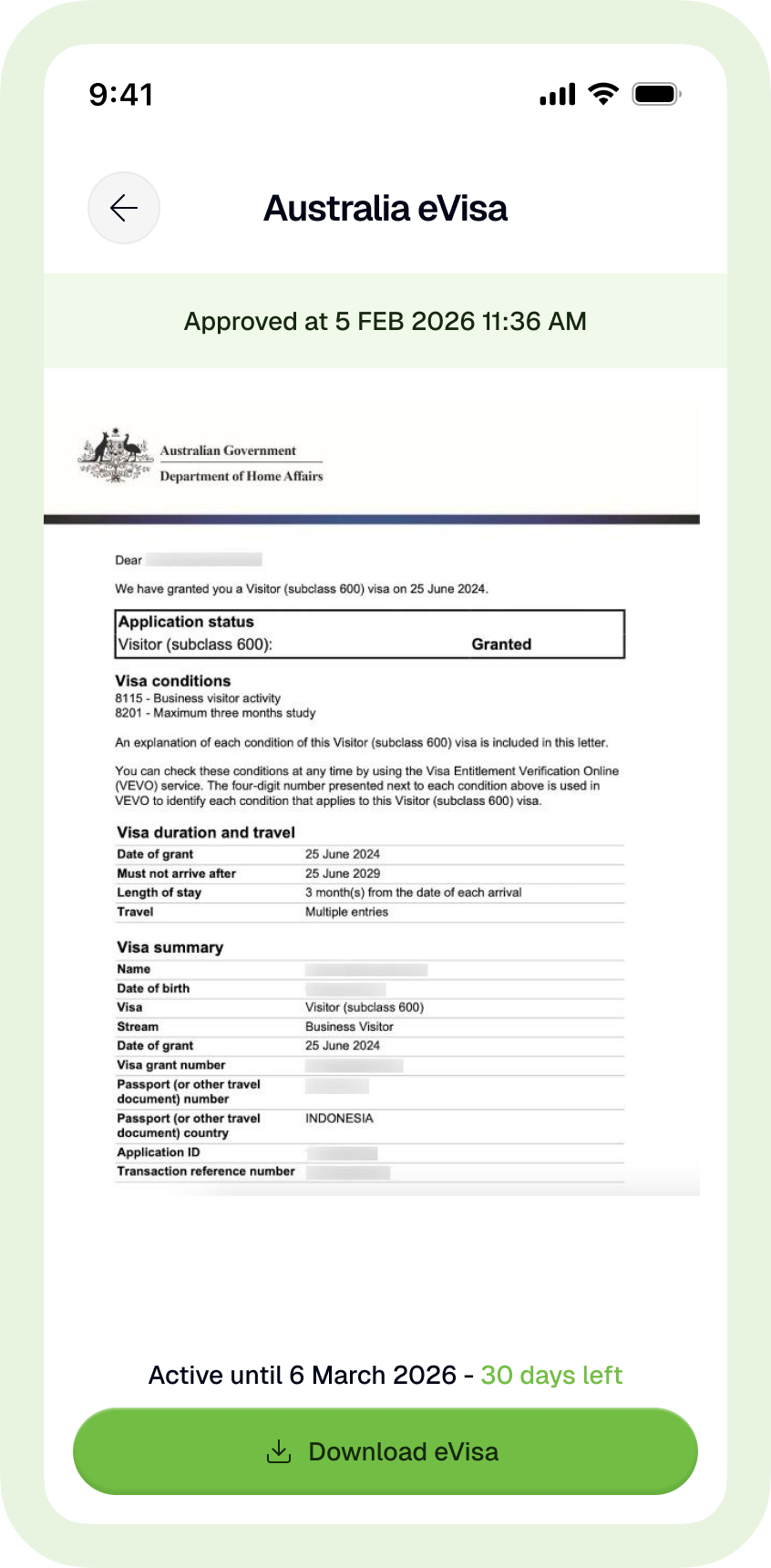
Whether you need permission to travel. A Digital Travel Credential proves who you are. It is not a visa and not a travel authorisation.
A traveller who needs a visa will still need one. A traveller who needs an electronic travel authorisation will still need one, linked to the passport the credential was created from. If anything, digital identity makes those links stricter: the systems will know immediately when the passport behind an authorisation has changed.
What travellers should do now
Keep using a physical passport. No country yet relies on Digital Travel Credentials alone, and a phone is not an accepted travel document for crossing borders today.
If your airline offers a digital identity option on a supported route, it can make the airport faster. Carry your passport anyway, and make sure every visa and authorisation is attached to it.
Verified against the IATA press release of 8 April 2026, ICAO Facilitation Panel papers from April 2026, and Japan Airlines, checked 1 October 2026.