Kenya's eTA: Who Needs One, Who Travels Exempt, and How Long It Takes
 Luca BenedettiSeptember 10, 20263 min read
Kenya replaced its visa system with an Electronic Travel Authorisation, and the change generated a lot of confusion, particularly among African travellers, many of whom do not need one at all. Here is who does, who does not, and how long it takes.
Do I need a Kenyan eTA?
It depends principally on your nationality, and there are three groups.
Citizens of East African Community partner states (Burundi, the Democratic Republic of the Congo, Rwanda, South Sudan, Tanzania and Uganda) are exempt for stays of up to 180 days.
Nationals of roughly 24 other African countries are exempt for stays of 60 to 90 days, depending on the country.
Everyone else needs an eTA before travelling.
These exemptions are set out in the Kenya Citizenship and Immigration (Amendment) Rules, 2025.
Why do so many people think all Africans need one?
Because the introduction of the eTA was widely reported as a universal requirement, and the exemptions were added and clarified afterwards. A great deal of the coverage still online reflects the earlier position.
If you hold an EAC passport, the correct answer today is that you do not need an eTA for a stay within the 180-day limit.
What types are available?
There are several, and the right one depends on your trip rather than on price alone.
A transit authorisation, for travellers passing through.
A standard single-visit authorisation, which covers the great majority of tourist and business trips.
A one-year multiple-entry authorisation.
A five-year multiple-entry authorisation.
The multiple-entry options are aimed at people with a recurring reason to travel to Kenya: regional business, family, or repeat safari clients. For a single holiday, the standard option is the right one.
How long does it take?
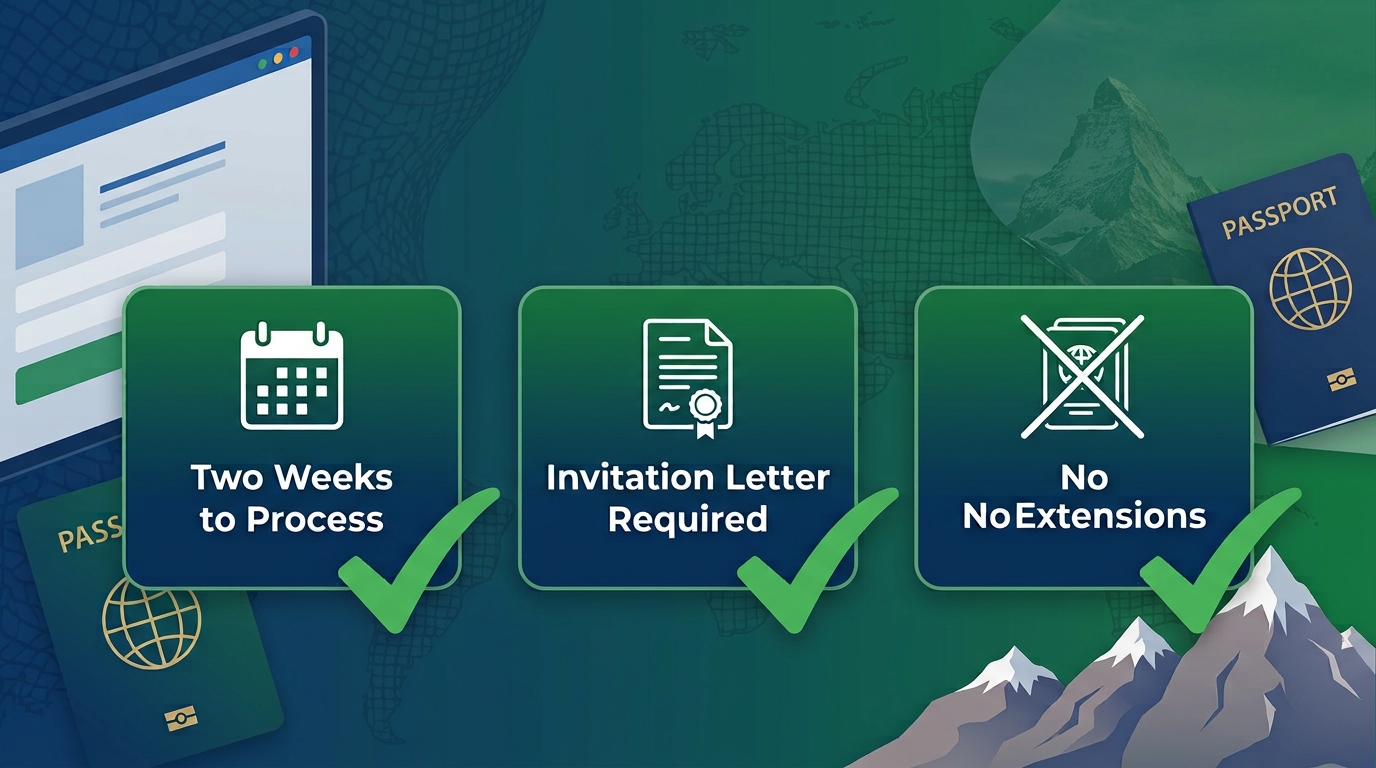
Typical processing is three working days.
That is the figure to plan around. It is not a guarantee, and it does not include weekends or public holidays. An application submitted on a Thursday is realistically a following-week approval.
Three working days sounds comfortable until you attach it to a real itinerary. Travellers who book a flight on Monday for departure on Wednesday have already run out of time.
What about a multi-country East African trip?
There is a regional option. The East Africa Tourist Visa covers Kenya, Uganda and Rwanda under a single application. It is valid for three months, allows multiple entries between those three countries, and is not extendable.
Two conditions catch people out. It is for tourism only; no employment is permitted on it. And you must first enter through the country that issued it, which constrains how you can route the trip.
It does not cover Tanzania. Travellers assuming an East African visa includes the Serengeti and Zanzibar are mistaken, and Tanzania requires its own arrangement.
Does an approved eTA guarantee entry?
No. As with every authorisation of this type, approval permits you to travel and be assessed. The immigration officer at the port of entry makes the admission decision and may ask for evidence of accommodation, onward travel and sufficient funds.
What should I do?
Check your nationality against the exemption lists first. If you are exempt, applying is unnecessary.
If you are not exempt, work backwards from your departure date and allow more than three working days: a week is a sensible minimum, and longer in a busy season.
Match the authorisation type to your itinerary rather than defaulting to the cheapest option. A traveller making three trips to Nairobi in a year is better served by a multiple-entry authorisation than by three separate applications.
Verified against the Kenya Directorate of Immigration Services eTA guidance and the Kenya Citizenship and Immigration (Amendment) Rules, 2025.