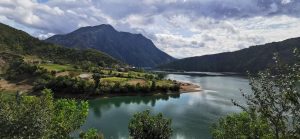
Pakistan is full of an amazing variety, from old cities and tall mountains to deep history and culture. You can see beautiful Mughal buildings in Lahore or explore the towering Karakoram peaks for unforgettable adventures.
In the past, safety worries kept many people away, but things are changing. More areas are now safe, and tourism is growing. Nature lovers head to the Himalayas and the Hindu Kush, while cities like Islamabad, Karachi, and Peshawar offer both modern life and deep history. You can also relax on quiet beaches along Pakistan’s hidden coastline or explore old trade routes like the Khyber Pass. With friendly people, tasty food, and wild beauty, Pakistan is a unique place for those who want something different.
You whisper to yourself, “What would it feel like to walk there?” Then comes the next question: Is it easy to go? Good news: YES. Thanks to Pakistan’s eVisa system, you no longer need to stand in long embassy queues or wait in limbo for weeks.
Who Can Apply: Eligible Countries for the Pakistan eVisa
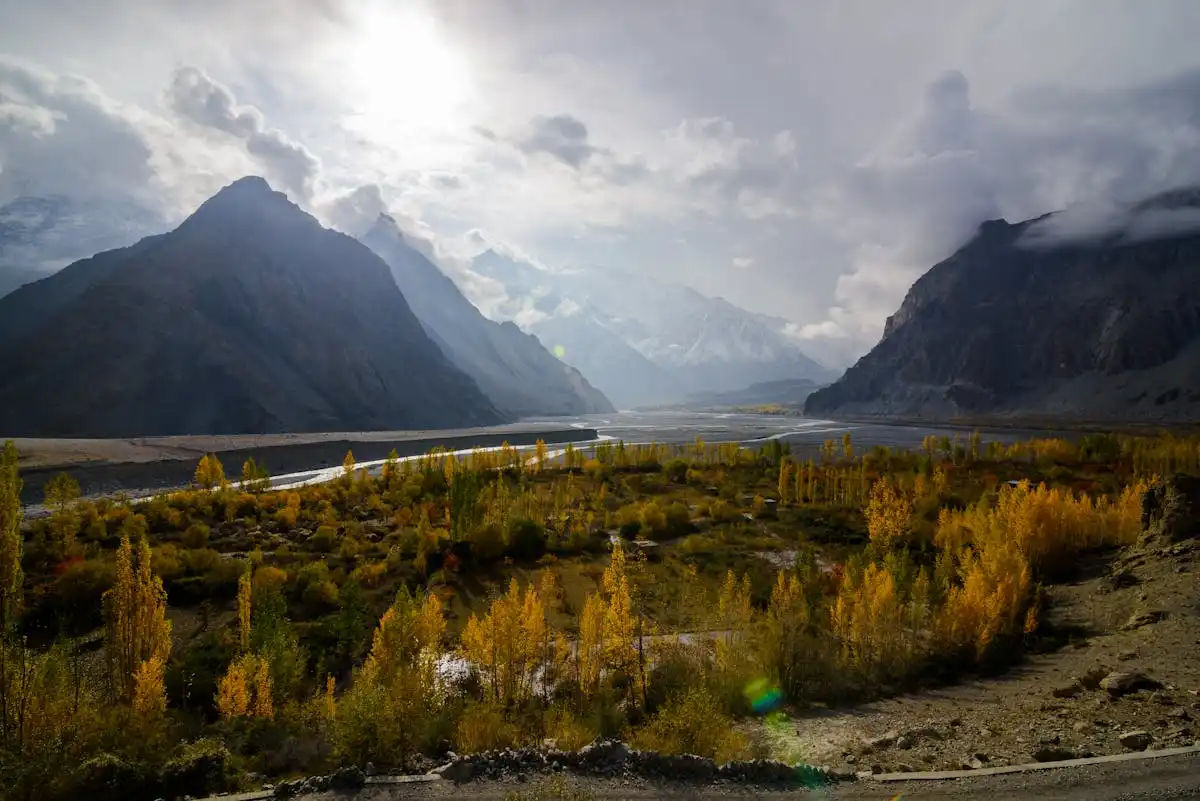
Citizens from over 190 countries can now apply for a Pakistan eVisa. This includes travelers from the USA, UK, EU, Australia, Canada, UAE, Japan, and many more. The online system is designed to be inclusive and accessible, so the chances are good that you are eligible.
Note: If you’re carrying a diplomatic or official passport, this guide isn’t for you. You’ll need to go the traditional embassy route.
Types of Pakistan eVisas
Pakistan offers several types of eVisas, each designed for a specific purpose. The right one for you depends on the reason for your visit.
- Tourist eVisa: Single or multiple entry options, perfect for exploring for 90-180 days.
- Business eVisa: If you have a letter of invitation from a Pakistani company, this one’s for you. It is valid for up to 1 year, with multiple entries allowed.
- Family Visit eVisa: If you’re visiting family, you’ll need to show proof of your relationship, whether that’s a birth certificate or a marriage certificate.
- Student & Journalist eVisas: Special categories are available, but they require additional documentation like college acceptance letters or press credentials.
Required Documents
Before jumping into the application, make sure you have these essentials at the ready:
- A valid passport with at least 6 months’ validity beyond your arrival date.
- A digital copy of your recently taken passport-size photograph.
- A valid email address is required to receive updates and the final eVisa.
Depending on your nationality and the specific type of eVisa, additional documents may be required. You can find a detailed list of requirements on the official website. This will help you prepare everything in advance and avoid any last-minute surprises.
Steps to Apply for a Pakistan eVisa

Follow these simple steps to apply for your Pakistan eVisa:
- Visit Pakistan eVisa or use the mobile app to start your application.
- Create an account and choose your country to begin the process.
- Upload the required documents, which include your passport, a recent photo, travel itinerary, and any additional paperwork if requested.
- Pay the visa fee online according to your evisa processing option. After submission, the application is typically processed within 7 to 15 business days.
- Once your eVisa is approved, you’ll receive it by email. It’s advisable to download and print a copy to carry with you when you travel.
Processing Time and Fees
One of the best things about the eVisa? You can choose the speed:
- Standard processing time: 12 to 15 business days.
- Premium processing time: 7 to 10 business days, for an extra fee.
The fees vary depending on nationality and visa type, typically between $64.99 and $109.99. Includes all service charges and government fees.
Entry Points and Validity
Once you have your eVisa, you can enter the country through 16 international airports, including major ones like Islamabad, Lahore, and Karachi. You can also come in by land at three border crossings, such as the well-known Wagah crossing near Lahore.
The visa is valid for anywhere from 90 days to one year, depending on the type you choose. Most people are allowed to stay for 30 to 180 days, again based on the visa category. It allows for both Single-entry and Multiple-entry options, depending on the specific visa granted.
If you need more time during your visit, you can apply for an extension. Just go to a nearby immigration office, and they will help you extend your stay so you can enjoy your trip a little longer.
Documents Checklist

Consider this list your reliable guide throughout the process:
- You need a valid passport with at least 6 months remaining.
- A recent passport-style photo is required.
- You need to provide a copy of your travel itinerary.
- Proof of accommodation for your stay must be submitted.
- Financial statements are recommended, especially if you are applying for a longer stay.
- An invitation letter is required if you are applying for a business or family visit visa.
- If you’re applying for a family visit visa, you must also include proof of your relationship with the inviting person.
Having all of these prepped means you’ll breeze through the application and land on smooth visa approval.
Places to Visit in Pakistan
Pakistan is a beautiful country with an interesting culture and lovely scenery. There are many great places to see, including natural spots, old buildings, and important religious sites. Here are a few suggestions for travelers who want to explore.
Lahore
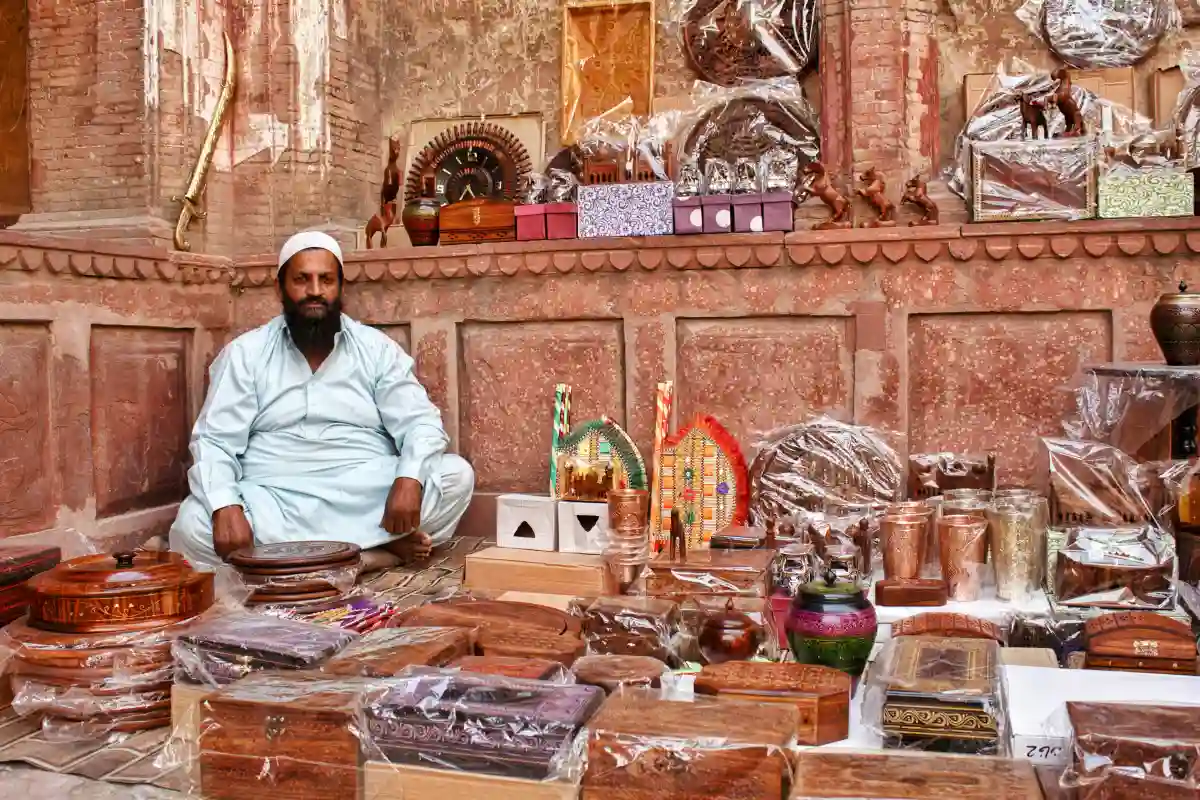
Lahore is a city full of history, culture, and life. You can visit Anarkali Bazaar, one of the oldest markets in the region. There you’ll find local crafts, clothes, and street food. If you want a quiet place to relax, the Shalimar Gardens are a great spot, with pretty fountains and green spaces.
For food, head to Fort Road Food Street, where you can enjoy traditional meals with a great view of the Badshahi Mosque. Don’t forget to see Lahore Fort, a UNESCO site, and the nearby Akbari Sarai, a historic place where travelers once stayed.
Hunza Valley
Hunza Valley in Gilgit-Baltistan looks like a dream. The cool mountain air, snowy mountains, and peaceful villages help you relax right away. Trekkers love visiting places nearby like Passu Glacier and Rakaposhi Base Camp.
Hunza is not only famous for its scenery, but also for its very friendly people. You might get offered fresh apricot juice or even a home-cooked meal. And make sure to visit Altit and Baltit forts, they’re full of history and stories.
Multan
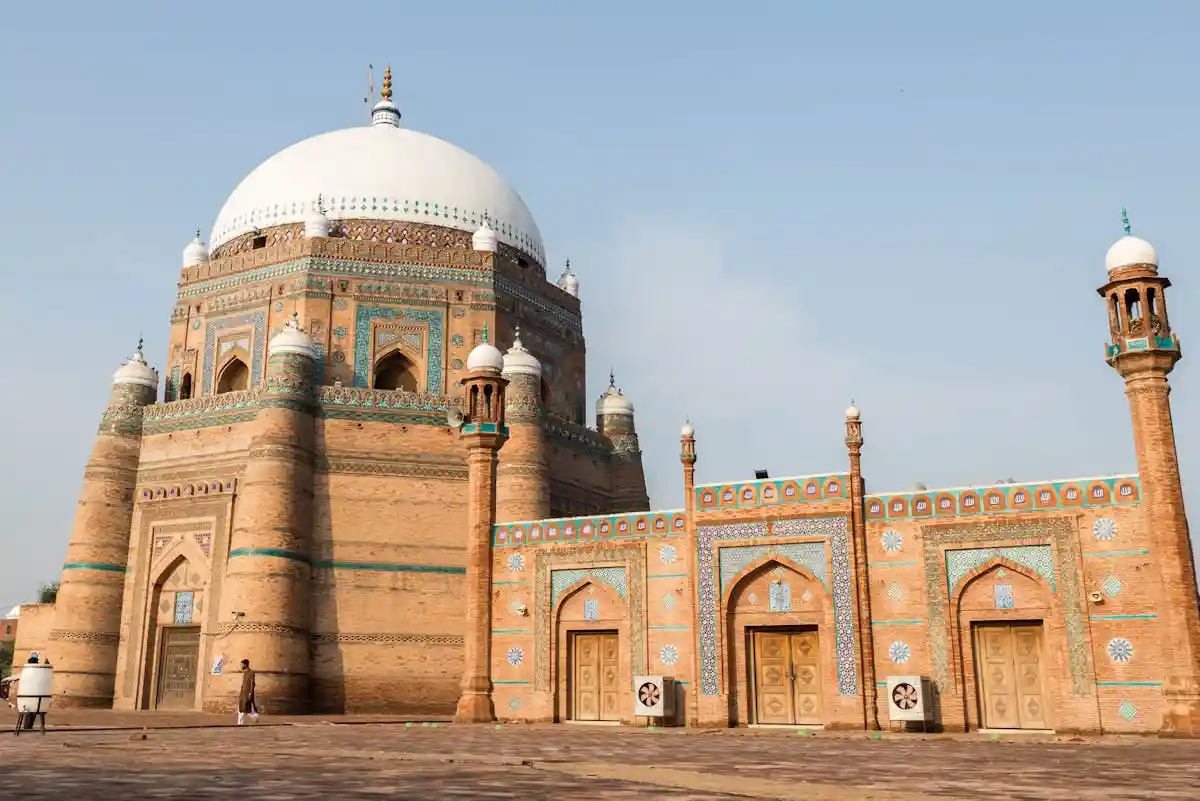
If you’re interested in Sufism, Multan is a great place to visit. It is one of the oldest cities in South Asia and is known for its many Sufi shrines. The city feels calm and spiritual, and people visit to see famous shrines like Shah Rukn-e-Alam and Bahauddin Zakariya.
You’ll also notice the beautiful blue tile designs, which are special to this area. The local markets are full of life and color. You can buy handmade items, embroidered clothes, and tasty sweets like sohan halwa.
Fairy Meadows
Fairy Meadows is a wide green field near Nanga Parbat, the ninth-tallest mountain in the world. It’s a peaceful and beautiful place surrounded by nature. To reach it, you need to take a jeep ride and then hike, but the amazing view makes it worth the effort.
At night, you can camp under the stars with the huge mountain in the background. It’s a quiet and peaceful place, great for relaxing, enjoying nature, and taking a break from busy city life.
Karachi
Known as Pakistan’s largest city, Karachi has a mix of everything. You’ll find modern buildings, old markets, beaches, and delicious street food. You can also visit popular places like Quaid-e-Azam’s Mausoleum, Mohatta Palace, and Clifton Beach.
The city is also known for its food, especially biryani, BBQ, and seafood. There you also find big shopping malls and busy markets like Zainab Market. There you can buy local clothes and souvenirs.
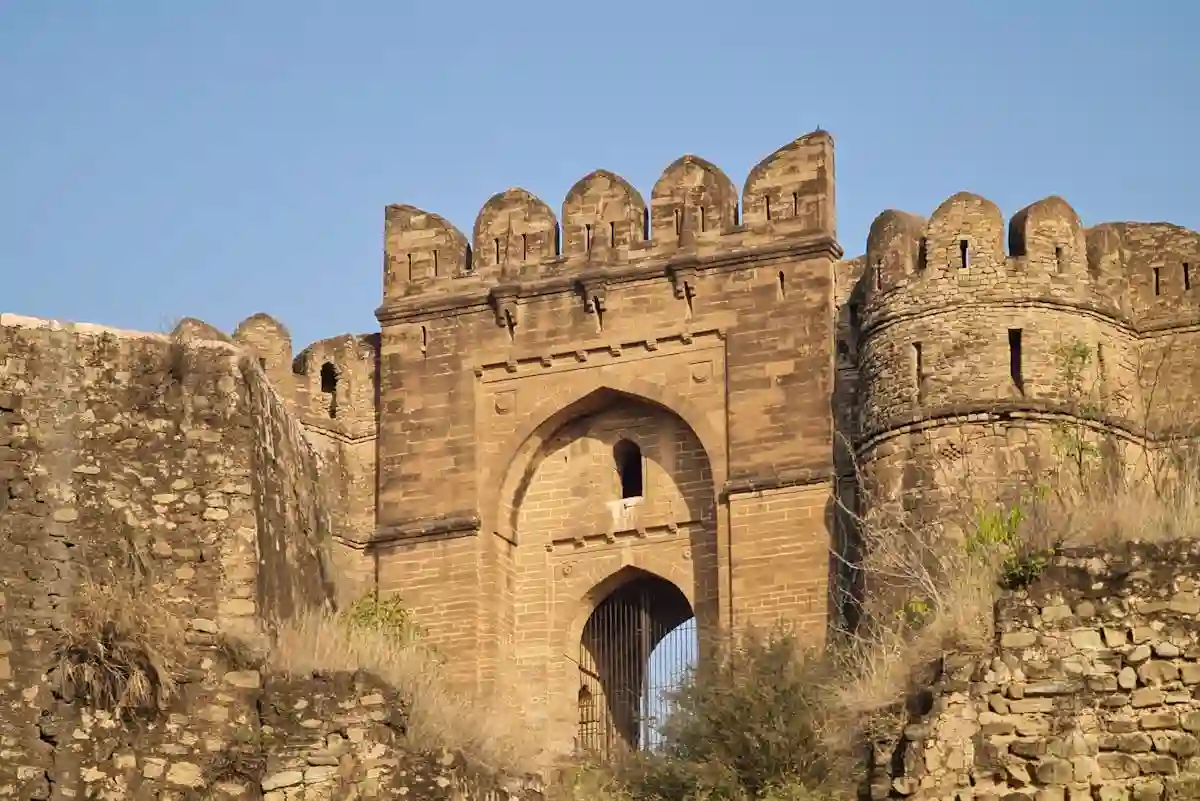
Rohtas Fort
Located near Jhelum, Rohtas Fort is a historic site and a UNESCO World Heritage Site. It was built in the 1500s by Sher Shah Suri as a powerful military fort.
The fort still has its big walls and watchtowers in good condition. When you walk through it, you can really feel the history and understand how strong and important it was in the past.
Swat Valley
Swat Valley is full of green hills, rivers, and waterfalls. It’s honestly a beautiful place for spending quality time. It’s the kind of place families and nature lovers will really enjoy. In winter, you can enjoy skiing in Malam Jabba. While in summer, places like Kalam and Mahodand Lake are great to visit.
The weather is cool and pleasant, especially from May to September. Swat also has old Buddhist sites, like the Butkara Stupa, that you can explore.
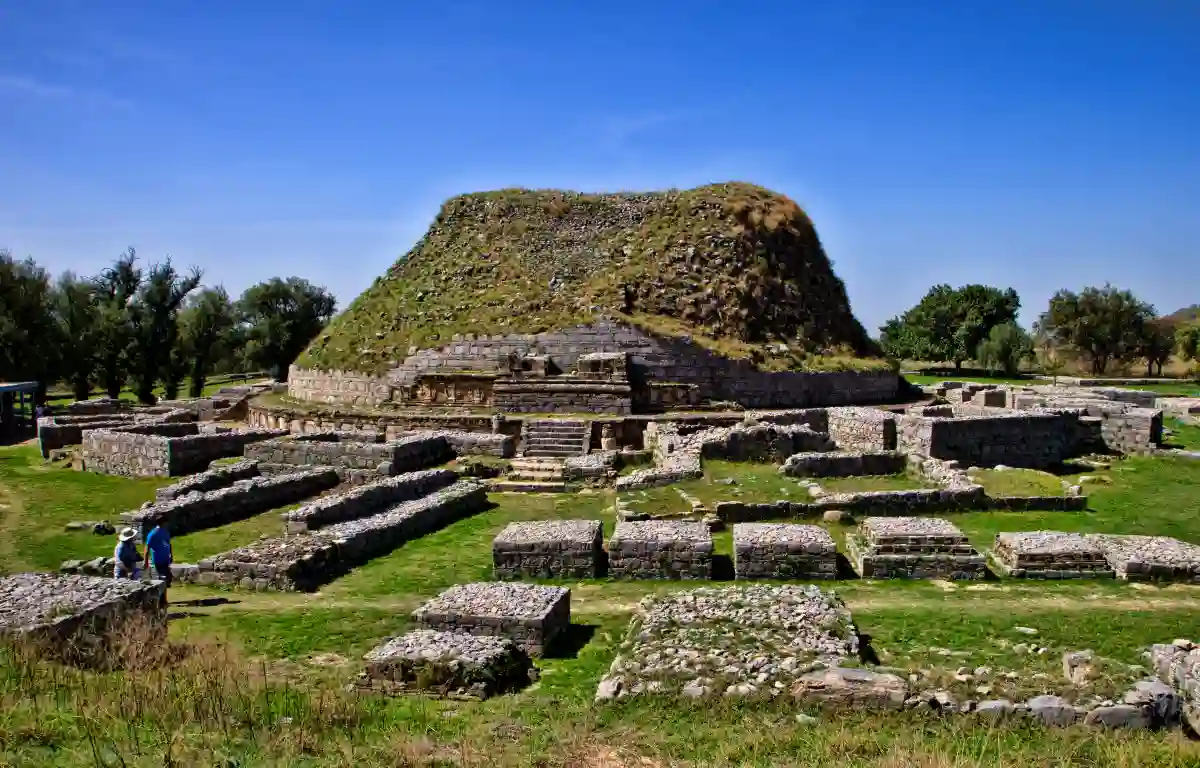
Photo Credit : commons.wikimedia.org
Taxila
Taxila is one of the oldest cities in the world and was once a major center for Buddhist learning. In the past, it was home to ancient universities and important religious sites.
Today, you can see the ruins of old stupas, monasteries, and buildings. The Taxila Museum has many statues, tools, and other items from those times. It’s a great place to visit if you enjoy history and archaeology.
Best Time to Visit
The best time to visit Pakistan depends on where you are going. From October to March, the weather is nice and dry in the south and plains. If you want to see the mountains in the north, go between May and September when it’s warmer. Spring and autumn are also good times, with mild weather and fewer people.
Tips Before You Apply
Before you apply, here are a few things you need to be careful about:
- Double-check the visa you need, whether it’s for tourism, business, or visiting family.
- Make sure that your passport remains valid, preferably for a minimum of six additional months.
- Once your eVisa is approved, save a PDF on your phone and print a copy.
- And definitely don’t wait until the last minute. Try to apply at least 2 to 3 weeks before your trip.
Common Reasons for Rejection
What could trip up an otherwise perfect application? Here’s what to watch for:
- Incomplete forms can cause rejection, so make sure you don’t leave any fields blank.
- Mismatched information, such as names, dates, or nationality, must match exactly across all documents.
- Unclear documents are a common issue, so always upload clear scans or photos taken in good lighting.
- Avoid applying too close to your travel date; last-minute applications often don’t get processed in time.
If you’re precise and proactive, the chance of rejection drops drastically.
Conclusion
Your trip to Pakistan starts before you even get on the plane. It only begins with the Pakistan eVisa. It’s made to be easy for travelers like you. You won’t need to visit an embassy anymore. You can apply and check your application online, and your visa will be sent to you digitally. So when you arrive, you’re all set to explore.
Imagine starting your trip feeling confident, with your documents ready and visa approved. From the lively streets of Lahore to the calm mountains of Hunza, Pakistan is all set to welcome you and make your journey special.